Emergency plumbing
Professional emergency plumbing dispatched directly from our Farquhar Ave shop in Los Alamitos
Learn what we fix

Plumbing Notes · Updated 2026-10-28
Practical plumbing guidance for Los Alamitos, Rossmoor, and West Orange County homeowners regarding gas safety and shutoff after an earthquake. Call (207) 419-2600.
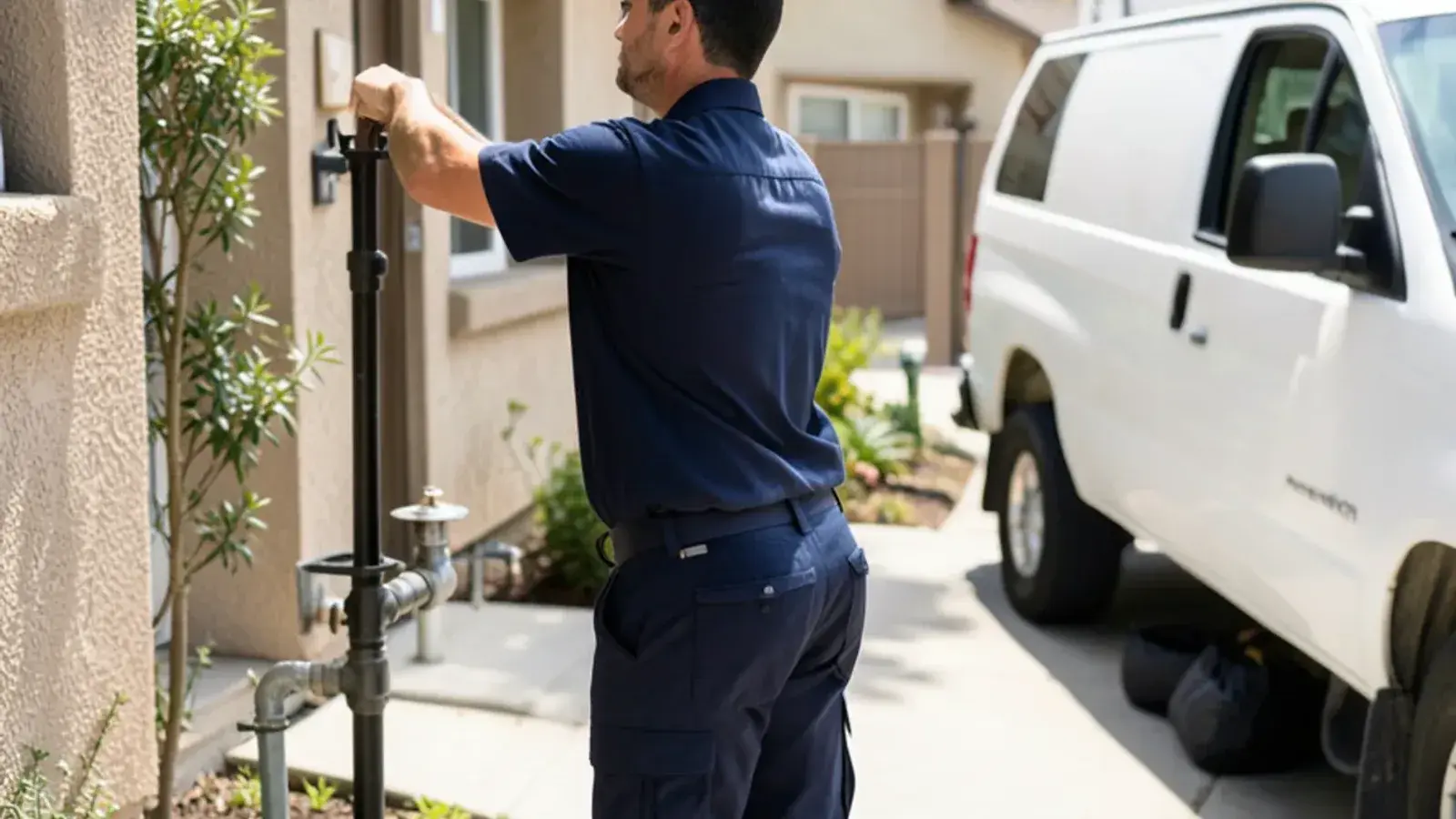
Living in West Orange County and the Gateway Cities corridor means coexisting with active seismic fault networks, including the Newport-Inglewood Fault running directly beneath Seal Beach and Long Beach, and the Whittier Fault to the north. In 1950s tract communities like Los Alamitos, Rossmoor, Cypress, and Lakewood, residential natural gas powers water heaters, central furnaces, kitchen cooktops, and laundry clothes dryers.
During an earthquake, violent horizontal and vertical ground accelerations place immense physical stress on rigid steel gas piping, unreinforced masonry chimneys, and appliance connections. A ruptured gas line inside a wall or a toppled water heater can quickly fill a structure with volatile methane gas, creating an extreme risk of explosion and structure fire.
Knowing how to evaluate your gas system following a tremor, understanding the precise circumstances under which you should shut off your main gas meter, and installing code-approved automatic seismic gas shutoff valves are among the most important safety steps a California homeowner can take.
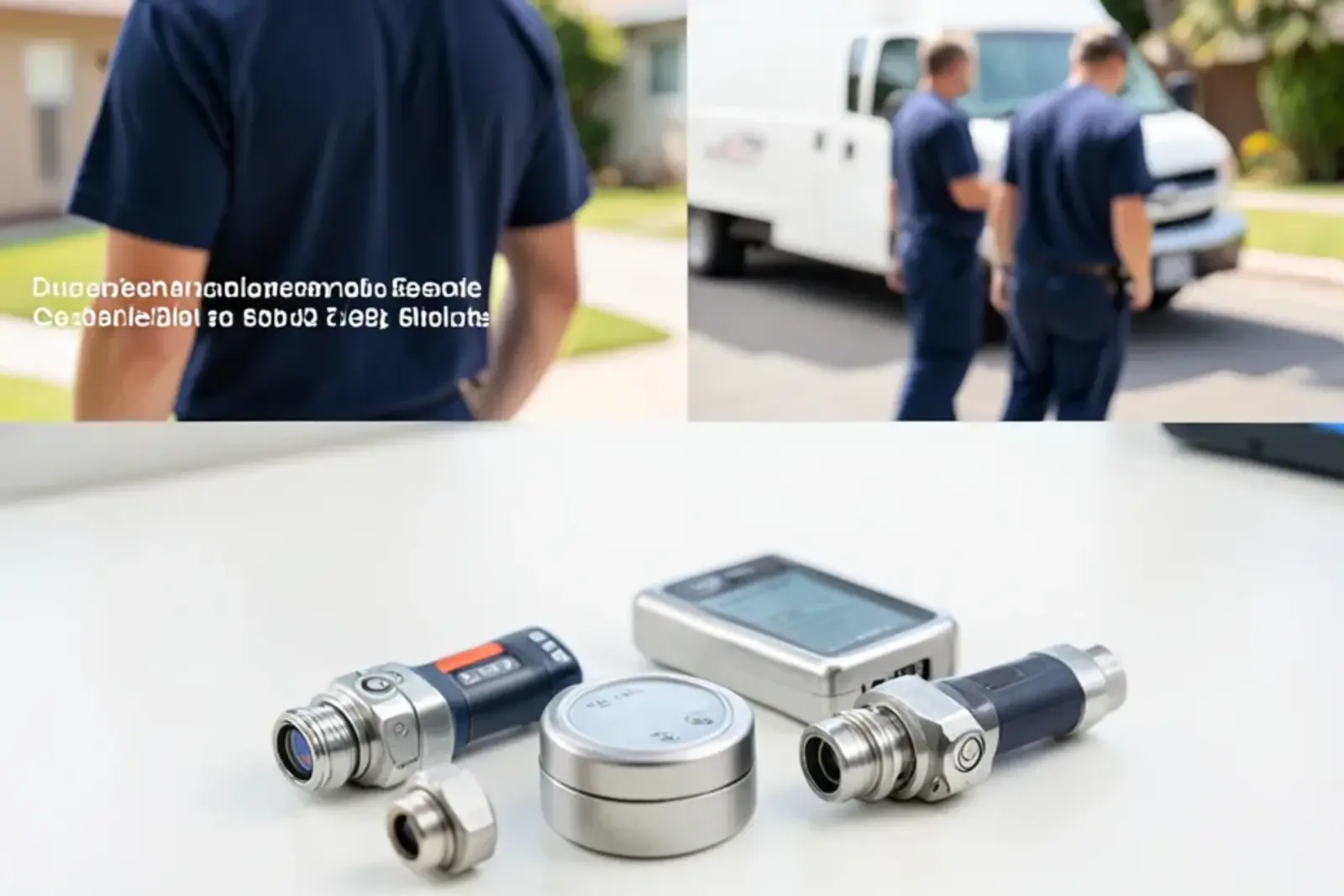
A common misconception among homeowners is that the gas meter must be turned off immediately after every noticeable earthquake. Southern California Gas Company (SoCalGas) and emergency management agencies advise against arbitrary gas shutoffs:
You should shut off your gas meter immediately if—and only if—you encounter any of the following three conditions:
If your home smells normal, appliances appear undamaged, and you hear no hissing sounds, leave your gas meter on. When a homeowner turns off a gas meter, the entire interior piping system depressurizes and pilot lights extinguish. Restoring service requires a systematic safety inspection, soap-bubble leak check, and relighting of pilot assemblies by a utility technician or licensed plumbing contractor. Following a widespread earthquake, utility crews are overwhelmed with emergency calls, and waiting for an official gas restoration can leave your family without cooking or hot water for days or weeks.
Every adult in your household should know the physical location of the gas meter and know how to operate the primary isolation valve:
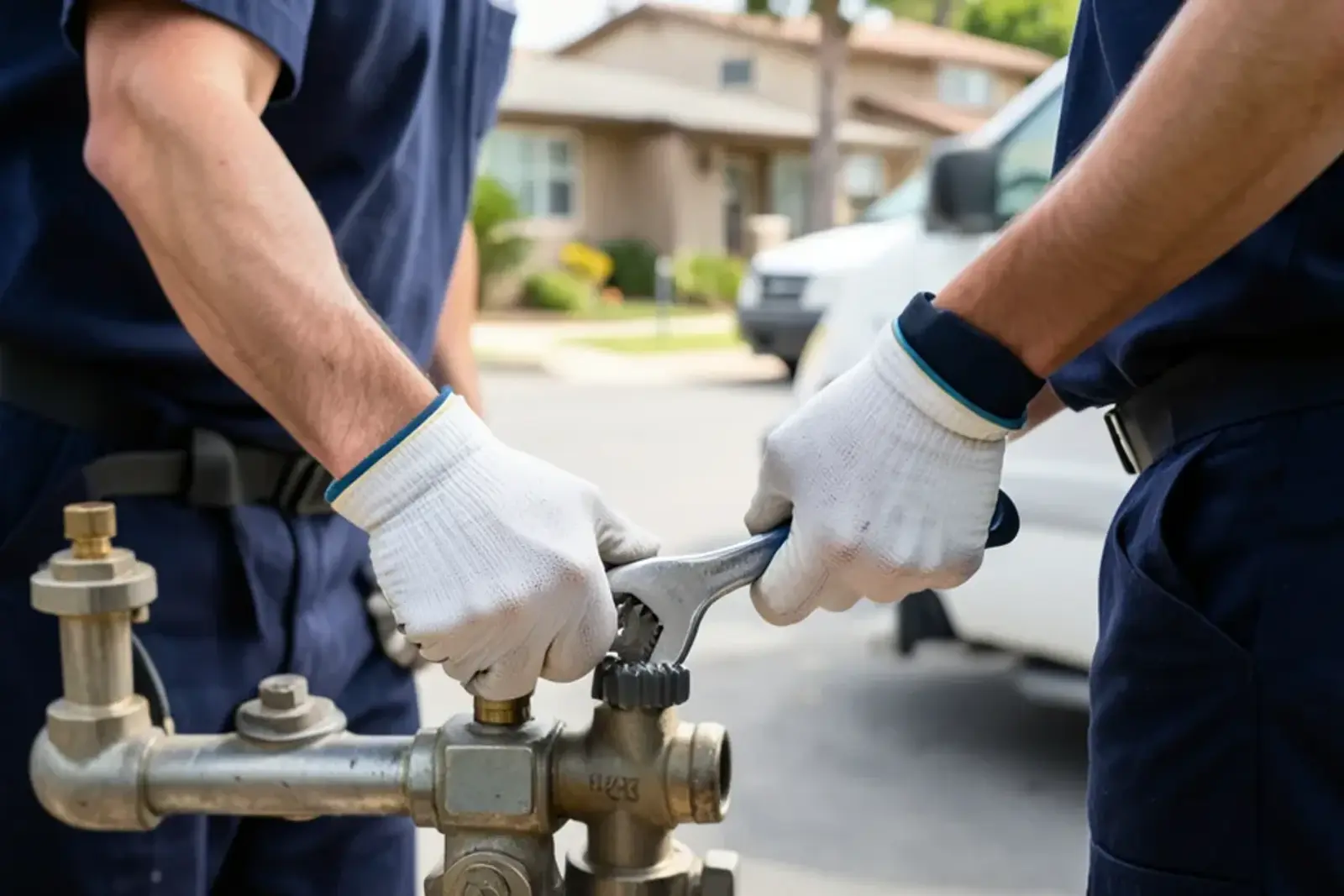
Modern plumbing engineering provides automated devices designed to isolate fuel supplies instantly during seismic events:
| Safety Assembly | Activation Trigger | Operation Mode | Post-Event Action | Ideal Property |
|---|---|---|---|---|
| Manual meter shutoff valve | Human operation with wrench | Quarter-turn ball or plug valve | Manual reset by technician only | Every residential property |
| Automatic Seismic Gas Valve (ASGV) | Magnitude 5.1+ ground acceleration | Magnetic or gravity-suspended ball | Manual reset via external screw | Single-family homes, multi-family units |
| Excess Flow Gas Valve (EFV) | Sudden surge in gas volume flow | Spring-loaded internal poppet | Automatic reset when line is repaired | Meter service lines, gas grills |
| Thermal gas shutoff valve | Extreme ambient temperature (194°F) | Fusible alloy plug melts closed | Non-resettable; replace valve | Commercial kitchens, boiler rooms |
An automatic seismic gas shutoff valve (ASGV) provides continuous, mechanical earthquake protection whether you are home, asleep, or away on vacation. These valves operate entirely on kinetic motion without requiring electrical power or batteries:
An ASGV is installed on the exterior customer-owned gas line immediately downstream of the utility gas meter. Inside the valve body sits a precision-machined stainless steel ball resting on an internal pedestal. During normal conditions, natural gas flows freely around the ball.
When ground motion reaches seismic accelerations established by the California Division of the State Architect (DSA Standard 12-16-1) and American Gas Association (ANSI Z21.70)—typically corresponding to a magnitude 5.1 to 5.4 earthquake within a few miles—the lateral vibrations dislodge the ball from its pedestal. The ball drops into an internal valve seat, utilizing incoming line pressure to seal gas flow completely within milliseconds.
Several Southern California municipalities mandate the installation of automatic seismic shutoff valves whenever a property is sold, remodeled, or when a water heater is replaced. In Los Alamitos and surrounding communities, homeowners frequently install ASGV systems voluntarily to satisfy homeowners insurance guidelines and safeguard their residences against post-earthquake fires.
If an earthquake causes a gas leak and SoCalGas technicians lock out your meter with a red warning tag, restoring service requires a strict municipal clearance process:
After ground shaking stops and your family is safe, complete this systematic evaluation:
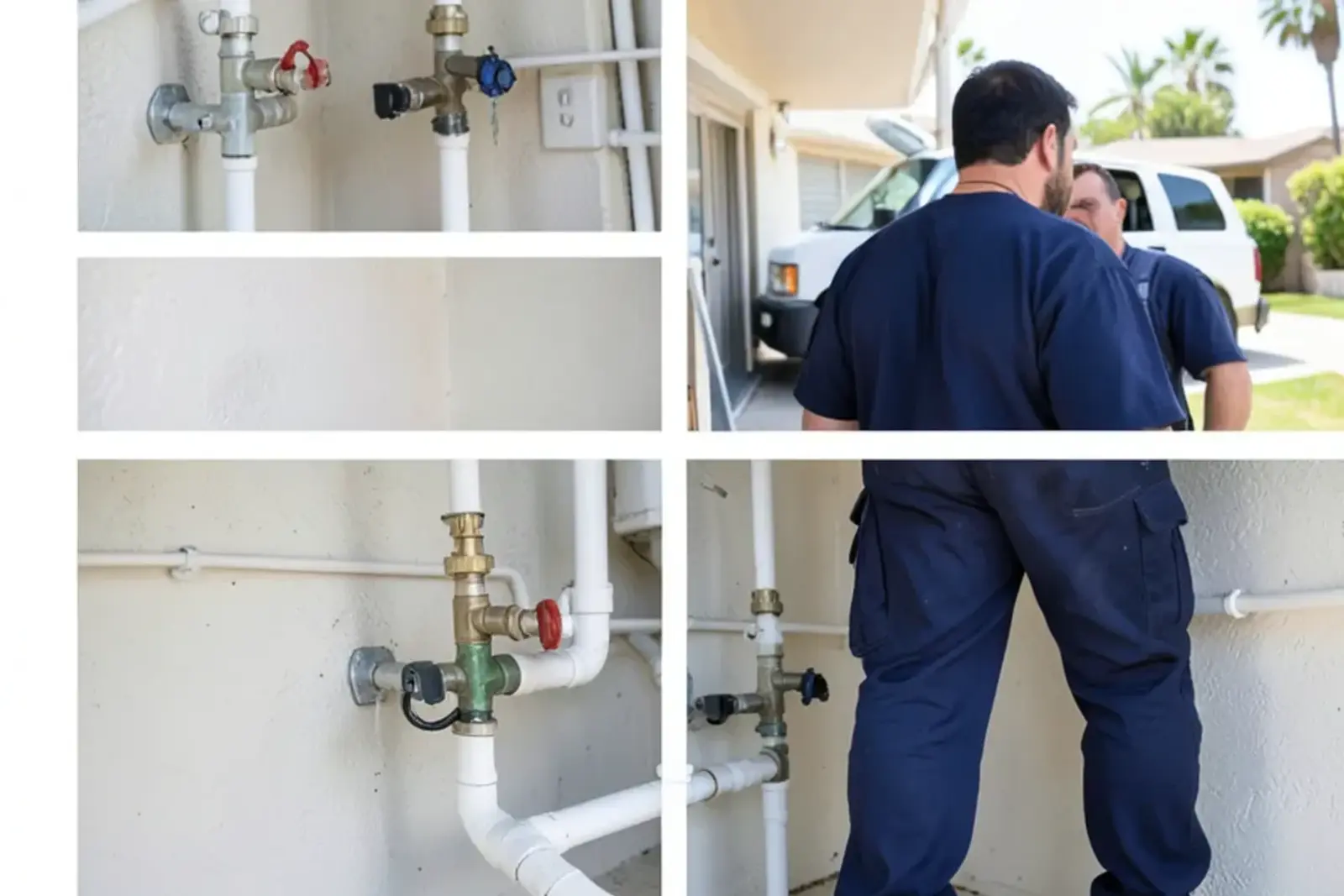
Safeguarding your home gas infrastructure requires certified mechanical expertise and code-compliant plumbing materials. Operating from our central facility at 3535 Farquhar Avenue in downtown Los Alamitos, our licensed plumbing contractors install California-approved automatic seismic gas shutoff valves, perform electronic leak detection, and clear SoCalGas red tags across West Orange County.
We manage all necessary municipal building permits, coordinate city inspections, and provide upfront written quotes before any work begins. Call our Farquhar Avenue team at (207) 419-2600 to schedule an earthquake gas valve installation or request a gas system inspection today.
Frequently Asked Questions
No. According to SoCalGas and municipal safety authorities, you should only shut off your gas meter if you smell the sulfurous rotten-egg odor of natural gas, hear hissing sounds near pipes or appliances, or observe obvious structural damage to piping. If you do not detect signs of a leak, do not turn off your meter, as restoring service requires a technician and can take days or weeks during a regional emergency.
Locate the main gas shutoff valve on the vertical pipe riser leading into your gas meter. Using a 12-inch crescent wrench or dedicated gas shutoff tool, turn the rectangular metal tang one-quarter turn in either direction so the valve tang sits perpendicular (crosswise) to the pipe. Once closed, never attempt to turn the gas back on yourself.
An automatic seismic gas shutoff valve is a motion-activated mechanical valve installed on your exterior gas line downstream of the meter. When seismic vibrations equivalent to a magnitude 5.1 to 5.4 earthquake shake the valve, an internal magnetic or gravity-suspended stainless steel ball unseats, instantly blocking gas flow into the building without requiring manual intervention.
When a gas leak is detected, SoCalGas shuts off the meter, installs a padlock, and leaves a red warning tag. Before the utility will unlock the meter, a licensed plumbing contractor must repair the leak, isolate the system, conduct a 10 to 15 PSI pressure test with a city building inspector present, and obtain an official municipal permit sign-off.
Related Services
Professional emergency plumbing dispatched directly from our Farquhar Ave shop in Los Alamitos
Professional gas line repair dispatched directly from our Farquhar Ave shop in Los Alamitos
Professional leak detection dispatched directly from our Farquhar Ave shop in Los Alamitos
Communities Mentioned
Orange County
Master-planned 1956 community founded by Ross W. Cortese featuring 3,400 single-family slab homes and signature red brick perimeter walls
Orange County
Coastal city featuring historic Old Town beachfront cottages, The Hill bungalows, and the 1962 Leisure World active-adult cooperative